
A mystery Rolex in every box: Derek Jeter gamifies the watch case
Arena Club's new Time Boxes sell authenticated luxury watches — Rolex, Patek Philippe, Audemars Piguet, Cartier — as digital mystery packs with published odds and an instant 90 percent buy-back. Trading-card mechanics have reached horology.
By The Movement Desk
What changed
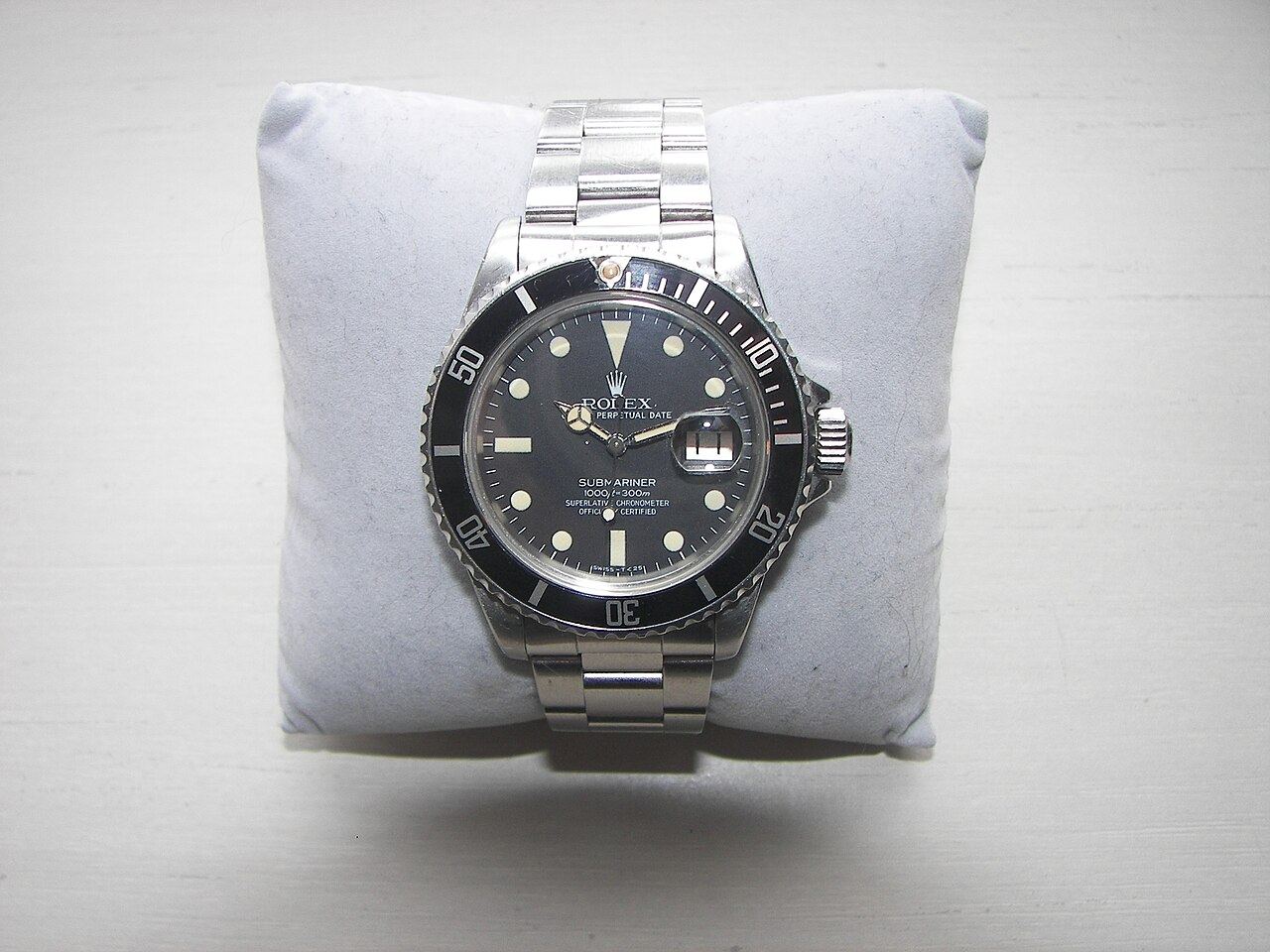
Arena Club, the collectibles marketplace co-founded by Derek Jeter, has brought the trading-card pack to the watch counter. Its new Time Boxes, reported by WatchPro this week, sell authenticated luxury timepieces — Rolex, Patek Philippe, Audemars Piguet and Cartier among the brands — as mystery purchases revealed digitally.
What it means
- The industry spent a decade asking how to reach the under-forty buyer and disliking every answer. Here is another one it will dislike: gamified, liquid, phone-first and fronted by a shortstop.
- It will work anyway — the 90 percent buy-back is the quiet masterstroke, because it prices trust, and trust is the only thing a mystery box actually sells. Watch for a Swiss brand to try a sanctioned version within eighteen months.
Key figures
| ProductTime Boxes — authenticated watches as digital mystery packs | |
|---|---|
| PlatformArena Club, co-founded by Derek Jeter | |
| BrandsRolex, Patek Philippe, Audemars Piguet, Cartier | |
| OddsPublished in full before purchase |
Source: The box · as sold
The trading-card pack reaches the watch counter
Buyers see full odds published before purchase, tiers determine the grail-watch ceiling, and boxes mix new and pre-owned pieces at varying price points.
The mechanic that separates this from a lottery ticket is the exit. After the reveal, a collector can keep the watch, store it on the platform, ship it home — or sell it back to Arena Club immediately at 90 percent of its estimated value.
That floor converts the gamble into a bounded one: the maximum downside on any pull is ten percent plus the thrill, which is roughly what the secondary market charges in spread anyway. It is the sports-card repack model with an authentication layer and a bid underneath it.
Phillips' record spring bidders · share of total
Source: The box · as sold
The growth is arriving from culture, not apprenticeship
The strategic read is about who is being recruited. Phillips' record spring — $235 million, thirty-five percent of bidders under forty, thirty percent new to the saleroom — established that the watch market's growth is arriving from culture rather than from horological apprenticeship, through exactly the channels Jeter's platform serves: cards, sneakers, memorabilia, drops.
A collector trained on pack-opening video content does not walk into an authorized dealer and join a waiting list; he opens something, films it, and posts it. Time Boxes are engineered for that behavior with Swiss product inside.
| Figure | |
|---|---|
| Under Forty | 35% |
| New To The Saleroom | 30% |
A $235 million season — growth arriving from culture, not apprenticeship The customer Time Boxes are engineered for already showed up at auction. Carat Capital graphics desk.
The trade will wrinkle its nose — and take notes
The trade will wrinkle its nose, and should also take notes. The format's honesty requirements are real — published odds, credible estimated values, authentication that survives scrutiny — and any slippage would draw the kind of regulatory attention loot-box mechanics attract in gaming.
But the underlying bet, that watches are now a collectible asset class whose buyers want liquidity, transparency and entertainment in one interface, is the same bet the auction houses' own online formats are making in politer clothes.
The story so far
Go deeper
Method
A $235 million season — growth arriving from culture, not apprenticeship